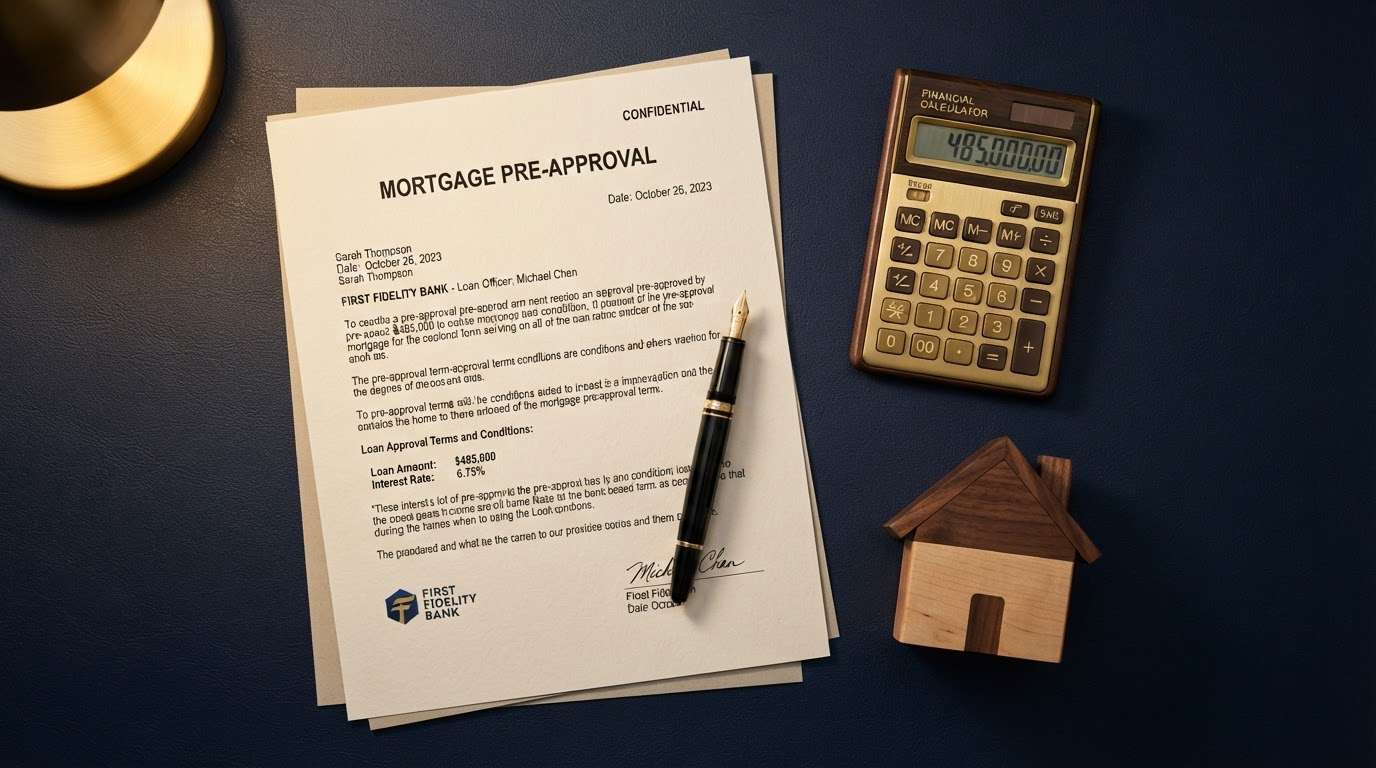
2022 brought one of the fastest rate-hiking cycles in a generation, and variable-rate borrowers felt it directly. When rates rise quickly, the questions shift from 'how do I get the lowest rate?' to 'how do I protect myself from the one I have?' The answers depend on your mortgage type, your term, and your renewal horizon.
Variable vs fixed in a rising cycle
Variable-rate borrowers see payments rise with each hike (or, with some products, watch their amortization stretch as the payment no longer covers the interest). Fixed-rate borrowers are insulated until renewal — when the new rate can be a shock if they haven't planned. Neither is universally better; the right response depends on how much room you have and how far your renewal is.
The renewal cliff
Borrowers renewing from a sub-2% fixed into a much higher rate face a payment jump that can strain a household budget. The fix is lead time: start the renewal conversation four to six months early, shop across lenders, and model the new payment against your cash flow before it arrives. A renewal is a negotiation, not a formality — treat it like one.
Defensive moves that help
Accelerating principal payments while you can, consolidating high-interest debt, extending amortization to lower the payment, or converting variable to fixed at the right moment are all tools — each with trade-offs. We model each against your situation so the moves you make reduce risk without costing more than they save. Rising rates are manageable with a plan; dangerous without one.
Want a personalized answer?
These articles are the starting point — not the end.
Talk to an advisor about your specific situation. The first conversation is free, no-obligation, and in plain language.
Book a Free Consultation