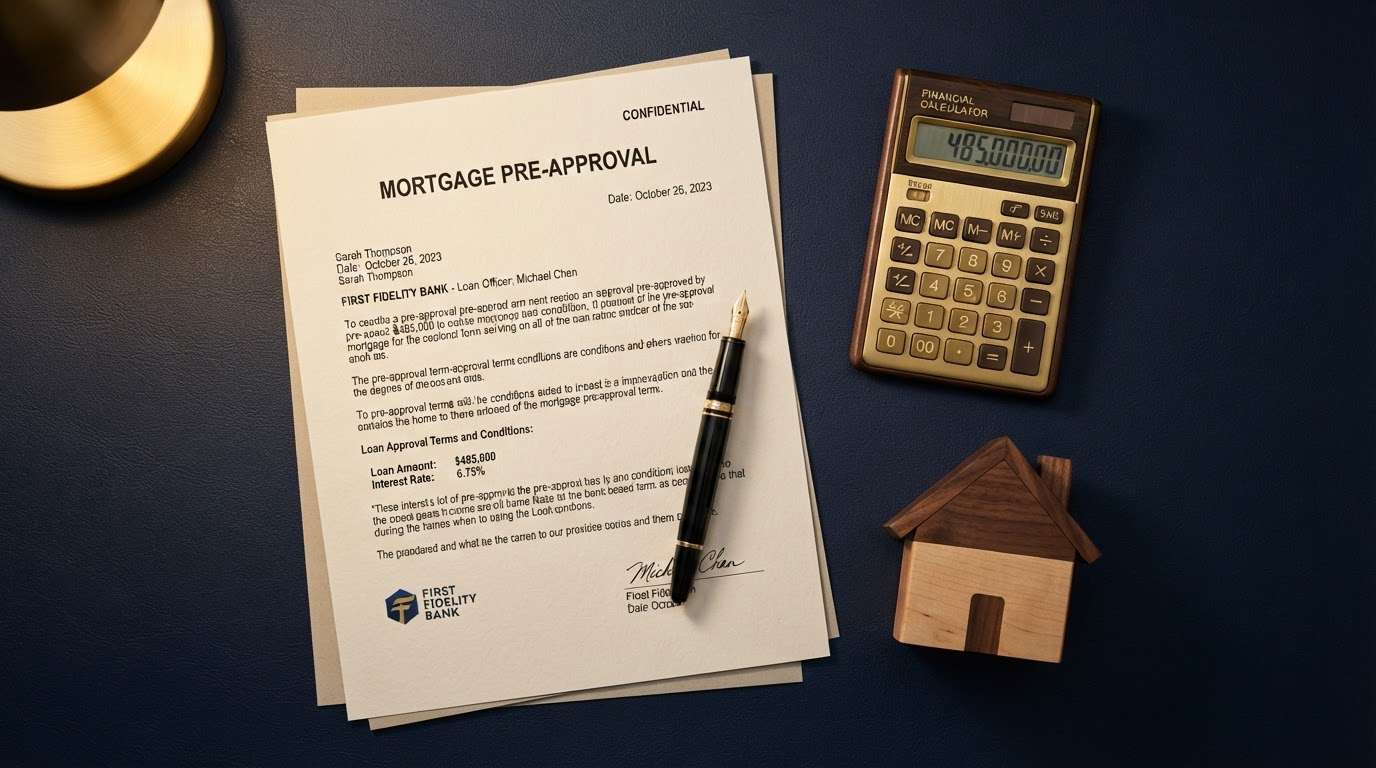
When your mortgage renewal arrives in the mail, it arrives with a rate your current lender chose — usually not the lowest one available to you. It's pre-filled, it looks official, and a shocking number of homeowners just sign it. That single signature can cost thousands over a five-year term.
Why lenders send the easy rate
Your existing lender knows that inertia is profitable. Most renewing homeowners don't shop, so lenders lead with a rate that's competitive enough to seem reasonable but generous enough to leave margin. The rate you're offered at renewal is a starting offer, not the floor — and it's rarely your best option across the market.
Start four months early
Renewal isn't a one-day event; it's a window. Most lenders let you lock a renewal rate 90 to 120 days in advance, and if rates drop before your renewal date, you can often re-lock at the lower rate. Starting early gives you room to shop, compare, and negotiate — not scramble.
Shop the market, not just your lender
An independent advisor can place your renewal across dozens of lenders at once — banks, credit unions, and monoline lenders — and surface the best combination of rate, prepayment privileges, and portability. Often the simple threat of leaving is enough for your current lender to sharpen its offer.
Re-examine your term and strategy
Renewal is the natural moment to ask whether your mortgage still fits your life. Has your income changed? Are rates trending up or down? Would a different term, a refinance, or a switch to a variable product serve you better? Don't renew the same mortgage — renew the right one for the version of you that exists today.
Want a personalized answer?
These articles are the starting point — not the end.
Talk to an advisor about your specific situation. The first conversation is free, no-obligation, and in plain language.
Book a Free Consultation