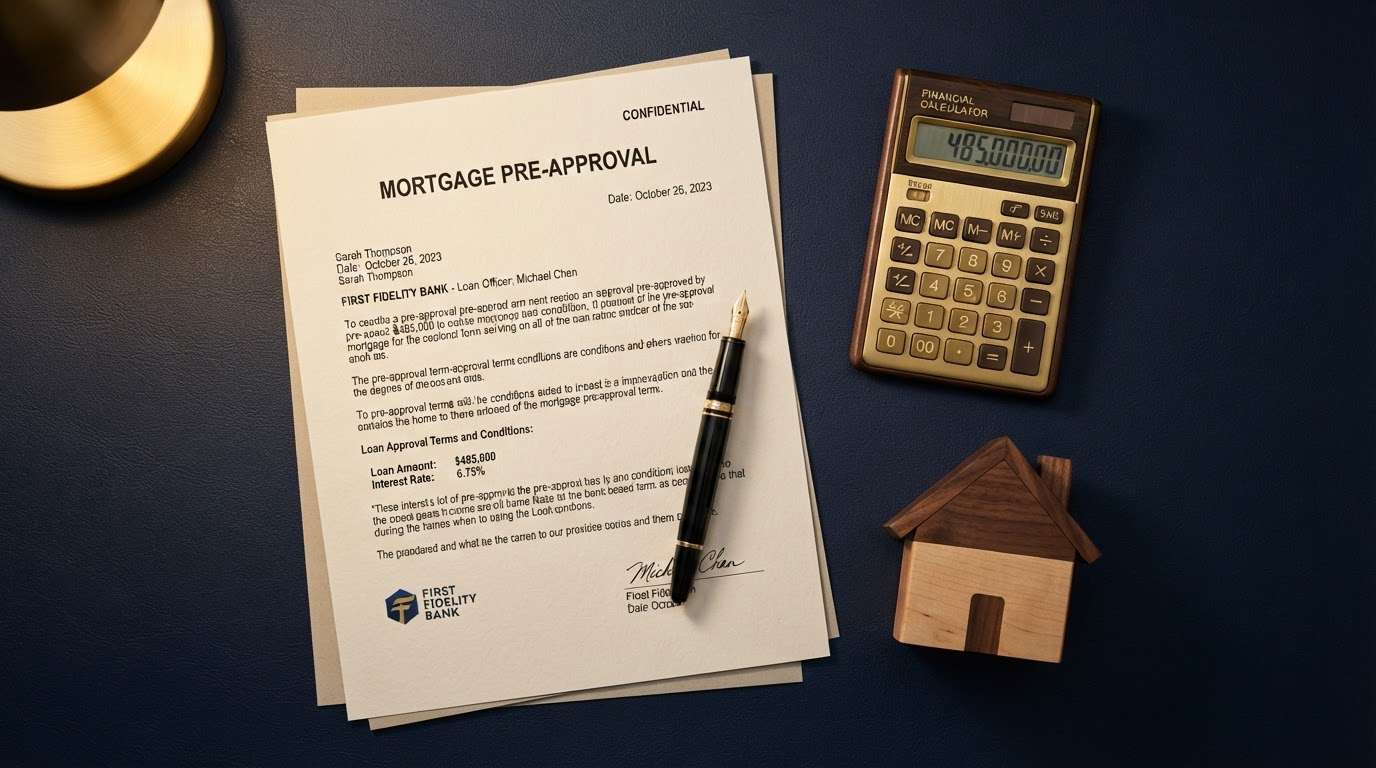
When the Office of the Superintendent of Financial Institutions updated Guideline B-20, it added a qualification buffer that every uninsured mortgage borrower now has to clear. The rule is simple in concept and consequential in practice: you don't just have to afford the rate you're offered — you have to afford a rate materially higher than it.
How the buffer works
Lenders qualify you at the greater of your contract rate plus 2% or the Bank of Canada's weekly posted 5-year benchmark. The point isn't to charge you that higher rate; it's to prove you could still pay if rates rose. Your actual payment uses the real rate, but your approval depends on the stress-tested one.
What it did to buying power
The stress test reduced the maximum mortgage many households could qualify for — sometimes by tens of thousands of dollars. Buyers who planned around pre-2018 rules suddenly found their budget smaller than expected. The lesson that emerged: qualify first, then shop, and build the buffer into your planning from the start rather than discovering it at the offer table.
How to clear it comfortably
The same fundamentals that always strengthened an application matter more now: a clean credit file, documented income, low consumer debt, and a down payment that leaves room. We model your real numbers against the stress-test rate before you fall in love with a listing, so you know your true ceiling — not the one a calculator without the buffer would suggest.
Want a personalized answer?
These articles are the starting point — not the end.
Talk to an advisor about your specific situation. The first conversation is free, no-obligation, and in plain language.
Book a Free Consultation