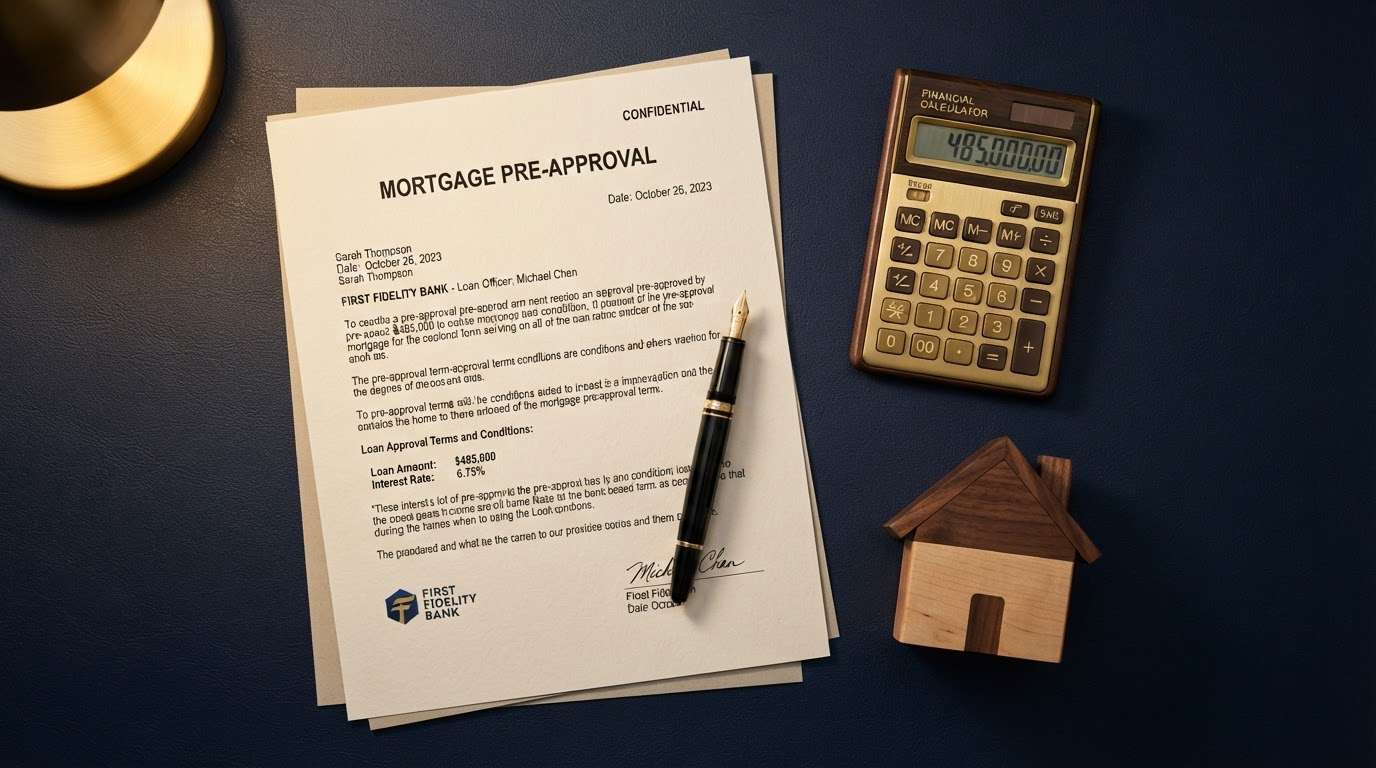
When rates fall to historic lows, buying power expands dramatically — a lower rate qualifies you for a larger mortgage at the same payment. That's a genuine opportunity. It's also the mechanism by which cheap money inflates prices and tempts buyers to borrow to their absolute ceiling. The same low rate that helps you can hurt you if it changes how you decide.
Qualify for more, borrow for less
The maximum you can borrow is not the amount you should borrow. Low rates raise the ceiling, but your income, your expenses, and your risk tolerance haven't changed. The disciplined move is to qualify at the new low rate but borrow only what fits your life — and direct the payment savings to principal, not to a bigger house.
Stress-test your own budget
The official stress test is a lender safeguard; build your own. Ask whether you could still afford the payment if rates rose 2% at renewal. If the answer is uncomfortable, you're borrowing too much relative to your comfort — even if the math says you qualify. The buyers who slept best through the low-rate years were the ones who borrowed below their maximum.
Use low rates to build equity, not just buy more
Low rates are a chance to accelerate, not just to acquire. Keeping the payment you would have made at a higher rate — but applying the difference to principal — shortens your amortization and builds equity faster, locking in the benefit of cheap money even after rates rise. We structure low-rate mortgages to do exactly that.
Want a personalized answer?
These articles are the starting point — not the end.
Talk to an advisor about your specific situation. The first conversation is free, no-obligation, and in plain language.
Book a Free Consultation